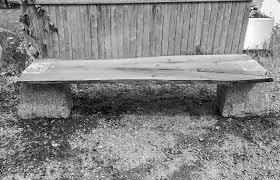
This lesson was a class participation project. We discussed the possible use of 5 different types of materials as potential components in three different PROJECTS. Each team promoted it’s product group to a panel of judges, for each project.
Since we can’t create the same team participation for the make up assignment, the assignment is modified somewhat.
Please write a report of at least one page, explaining why non-ferrous metals (see definition below) are the best material choice to incorporate in the project described below. Choose one or more material in this group to incorporate in the project.
Please hand-write your report in paragraph (not outline) format.:
Non-ferrous metals and alloys, such as COPPER, BRONZE, BRASS, NICKEL, PALLADIUM, PLATINUM, TITANIUM, ALUMINUM, TIN, LEAD, and ZINC
- Aluminum: Good strength-to-weight ratio, light, soft, ductile, good conductor of heat and electricity. Resistant to corrosion. Uses: Kitchen equipment, window frames, general cast components
Copper: Malleable and ductile, good conductor of heat and electricity, Resistant to corrosion. Uses: Water pipes, electrical wire, decorative goods. - Bronze: typically modern bronze is 88% copper and 12% tin. Bronzes are typically very ductile alloys, considerably less brittle than cast iron. Typically bronze only oxidizes superficially; once a copper oxide (eventually becoming copper carbonate) layer is formed, the underlying metal is protected from further corrosion. Unlike steel, bronze struck against a hard surface will not generate sparks, so it is used to make hammers, mallets, wrenches and other durable tools to be used in explosive atmospheres or in the presence of flammable vapors.
- Brass: Resistant to corrosion, fairly hard, good conductor of heat and electricity. Uses: Ornaments, cast items such as water taps
- Nickel: Nickel is widely used in making alloys apart from its use in transport, aerospace, marine, architectural and consumer applications. Nickel is useful for its properties of being ductile and corrosion resistant. Historically, it has been used for plating iron and brass, coating chemistry equipment, and manufacturing certain alloys that retain a high silvery polish, such as German silver. About 9% of world nickel production is still used for corrosion-resistant nickel plating
- Titanium: Titanium is as strong as steel but much less dense. It is therefore important as an alloying agent with many metals including aluminium, molybdenum and iron. These alloys are mainly used in aircraft, spacecraft and missiles because of their low density and ability to withstand extremes of temperature. Titanium is more expensive than steel.
- Tin: Soft: weak, malleable, ductile and resistant to corrosion. Usually used for coating steel to form tin-plate, soft solder
PROJECT:
Your team consists of the material engineers representing the trade group to which you were assigned. You must promote your material to be used in this project, in whole or in part. That is, other materials may be used too. Your assignment is to convince the customer to use your material for at least part of the project. All pictures are samples. Your project design may look different.
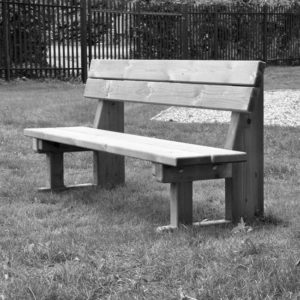 A vendor was selected to run an economy chain of rental cabins within the national park system. The vendor wants to purchase a series of outdoor furniture (chairs, tables, benches, etc.) to be used on outdoor patio areas that will have partial exposure to sun, wind, and rain. Cost, durability, and strength are primary concerns. However the final product must convey a traditional look. The bid specifications call for the product to last a minimum of 10 years. A minimum of 10,000 pieces will be needed, nation wide.